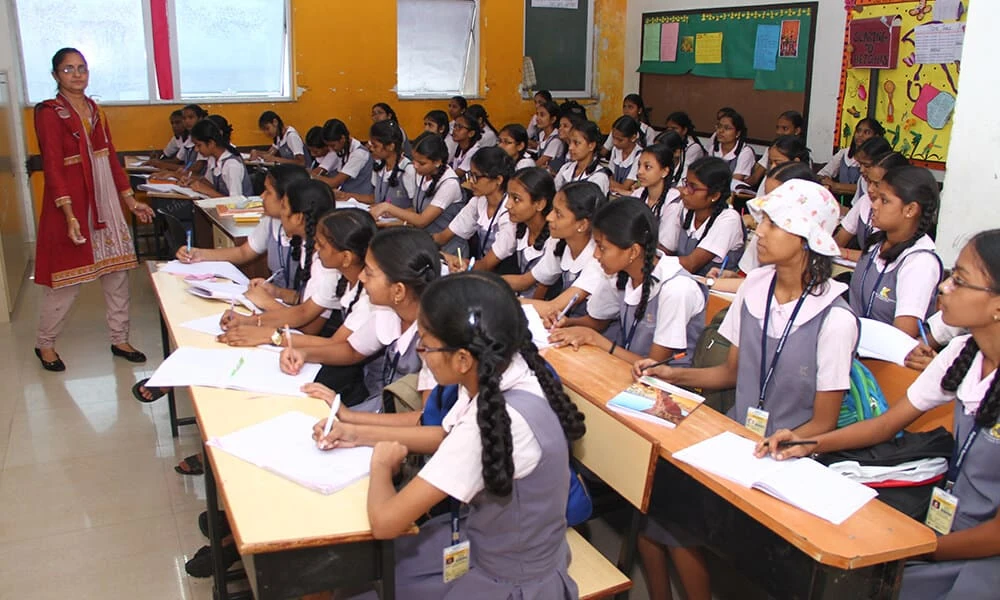
For many families in Ahmedabad, school admission in Ahmedabad season is experienced primarily as a logistical challenge: collecting documents, meeting deadlines, attending open days, and hoping that the school of choice has space available. What it less often is, but should be, is a genuine investigative process in which parents gather the information they need to make a decision they will not regret two or three years later.
The admission process is the only structured opportunity most parents have to evaluate a school before committing to it. Used well, it reveals the quality of the institution’s culture, the character of its leadership, and the gap, if any, between what the school presents and what it actually delivers. Used poorly, it produces a decision based on proximity, reputation, and the quality of the open day catering.
Understanding the Admission Calendar
Ahmedabad’s school admission calendar varies between institutions, but most CBSE schools follow a broadly similar pattern. Enquiries typically open in October and November for the following academic year, with formal applications accepted from December onwards. Early application is advisable for schools with strong reputations, as popular year groups can fill well before the formal admission season closes.
Key dates that families should track include:
- Open day and campus visit schedules, which are typically announced in October
- Application form availability and submission deadlines
- Assessment or interaction dates for the child, where applicable
- Offer and acceptance timelines
- Fee payment and enrolment confirmation deadlines
Missing any of these, particularly at popular schools, can close the door on a preferred institution for an entire academic year. Starting the school admission in Ahmedabad process early is not anxiety-driven behaviour. It is practical planning.
What Schools Are Looking For
Admission processes at reputable school admission Ahmedabad institutions are not designed to filter out children who are academically below a threshold. They are designed to understand each child as an individual and to assess whether the school is genuinely the right environment for them. This distinction matters because it shifts the framing from performance anxiety to genuine conversation.
At the early years and primary level, admission interactions typically involve age-appropriate activities that allow the school to observe a child’s communication, social readiness, and approach to new situations. Parents should prepare their child emotionally for the interaction without coaching them for a performance. A child who is settled, curious, and communicative in a new environment is demonstrating exactly what a good early years school wants to see.
At the secondary and senior secondary level, academic records, school reports, and in some cases subject-specific assessments form the basis of the admission evaluation. Families should compile documentation carefully and present it in the context of the child’s broader strengths and interests.
Documents Typically Required for School Admission in Ahmedabad
| Document | Purpose | Notes |
| Birth certificate | Age verification | Original and photocopy required |
| Previous school report cards | Academic history | Last two years typically requested |
| Transfer certificate | Formal release from previous school | Required for mid-year admissions |
| Aadhar card | Identity verification | Child’s and parent’s |
| Passport-size photographs | Administrative records | Typically four to six copies |
| Proof of residence | Local address confirmation | Utility bill or rental agreement |
| Medical records | Health and immunisation history | Some schools require specific vaccinations |
Having these documents organised and ready before the admission season begins removes a common source of last-minute stress and demonstrates to the school that the family is organised and genuinely committed.
Questions Every Parent Should Ask During the Admission Process
The admission visit is a two-way process. The school is evaluating whether your child is suited to its environment, and you should be evaluating whether the school is suited to your child. The questions that reveal the most about a school’s genuine character are those that go beyond standard tour content:
- How does the school support a child who is academically strong in some areas but needs additional help in others?
- What is the school’s process when a child is experiencing social difficulty or unhappiness?
- How are parents informed about their child’s progress between formal reporting periods?
- What is the school’s policy on homework volume and out-of-school academic demand?
- How does the school manage the transition between year groups and between primary and secondary stages?
The quality of the answers to these questions is a reliable guide to the quality of the school’s culture and the seriousness with which it approaches its responsibilities to its students and their families.
After the Offer: What to Do Before You Commit
Receiving an offer of admission from a desirable school is not the moment to stop evaluating. Before accepting, speak to current parents about their experience of the school’s day-to-day reality. Ask whether the school’s communication matches the promises made during the admission process. Visit the campus a second time if possible, ideally on a normal school day rather than an open day, to observe the environment without the benefit of preparation.
Making an Informed Admission Decision
School admission in Ahmedabad is more than a procedural step; it is an opportunity to identify an environment where your child can thrive academically, socially, and personally. While factors such as location, facilities, and reputation are important, the true measure of a school lies in the quality of its teaching, student support systems, communication with families, and overall learning culture. By starting the admission process early, asking thoughtful questions, and evaluating schools beyond their marketing materials, parents can make a confident and informed choice. A school that aligns with your child’s needs and aspirations can provide a strong foundation for both educational success and personal growth in the years ahead.
——————————————————————————————————————————-