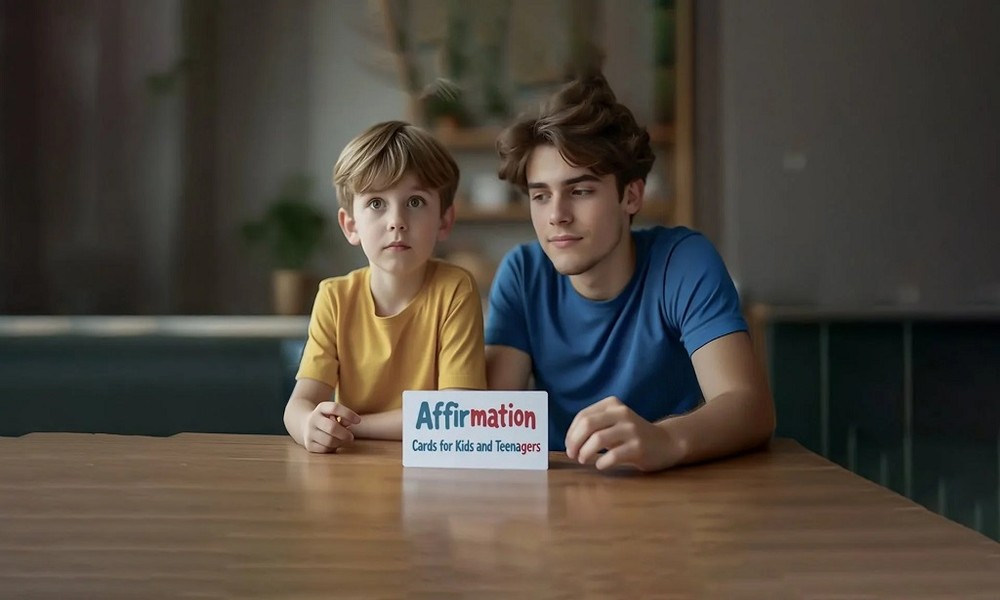
Affirmation cards are powerful tools that help individuals cultivate positivity, boost self-esteem, and encourage mindfulness. By reading and reflecting on affirmations daily, people of all ages can reinforce positive thoughts and promote mental well-being.
However, the effectiveness of affirmation cards greatly depends on tailoring them to the audience’s age, language comprehension, and developmental stage.
Here’s a guide on how to create custom affirmation cards for different age groups.
1. Understand the Needs of Each Age Group
The first step in creating custom affirmation cards is understanding the emotional and cognitive needs of your target age group.
- For children, affirmations should focus on building confidence, expressing emotions, and fostering kindness. Examples include: “I am brave,” or “I am a good friend.”
- Young adults may benefit from affirmations addressing self-discovery, resilience, and goal setting, such as: “I trust my decisions,” or “I am capable of achieving my dreams.”
- For adults, affirmations can target stress management, self-compassion, and personal growth: “I am worthy of love and respect,” or “I embrace challenges as opportunities to grow.”
2. Choose Age-Appropriate Language
Language plays a crucial role in making affirmation cards meaningful and easy to understand.
- For children, keep the sentences short, simple, and playful. Using rhymes or alliteration can make them more engaging. For example, “I shine bright like a kite.”
- Teenagers and young adults can handle more nuanced affirmations that encourage self-reflection and empowerment.
- Adults often respond well to thoughtful, reflective affirmations that align with their life experiences and challenges.
Always ensure that the language aligns with the reading and comprehension level of the intended age group.
3. Incorporate Visual Elements
Visuals enhance engagement and make affirmation cards more appealing.
- For children, bright colors, fun illustrations, and friendly characters can capture attention and make the affirmations memorable.
- Teenagers might enjoy more minimalist or trendy designs with motivational graphics.
- Adults often prefer sophisticated or calming visuals, such as nature scenes, abstract art, or elegant typography.
The imagery should enhance the message, supporting each card’s positive statement without causing distraction.
4. Decide on Card Format and Size
Custom affirmation cards can be designed in various formats.
- For children, larger cards with bold text and illustrations work best, as they are easier to handle and read.
- Teenagers and young adults may appreciate pocket-sized cards for easy carrying and daily reminders.
- Adults may prefer a more elegant deck, possibly with a storage box or stand for home or office use.
Consider the durability of the cards, especially for younger children, as laminated or sturdy cardstock can help them withstand frequent handling.
5. Personalize and Rotate Affirmations
Personalization adds an extra layer of connection and effectiveness.
- For children, you can include their names or favorite animals in the affirmations.
- Teenagers might enjoy cards tailored to their personal goals or challenges.
- Adults may prefer affirmations addressing specific areas of life, such as career, relationships, or self-care.
Rotating the affirmations periodically keeps the practice fresh and prevents repetition from becoming monotonous.
6. Encourage Daily Practice
Creating affirmation cards is only the first step; their impact depends on consistent use. Encourage daily practices, such as reading a card each morning, reflecting on it during meditation, or sharing a positive affirmation with someone else.
For families, consider creating a routine where children, teens, and adults each draw a card and share their thoughts, fostering connection and positivity across generations.
Conclusion
Custom affirmation cards can be a transformative tool for promoting mental well-being, self-confidence, and mindfulness for all age groups.
By understanding the unique needs of each age group, choosing age-appropriate language, incorporating engaging visuals, and personalizing the content, you can create meaningful cards that inspire positivity and resilience.